Neon lights
Bright pink, blue, and violet highlights give each sequence a club-like glow. These tones create contrast that makes note lanes and timing moments easier to notice.
 Rhythm Game Guide
Disco Bunny
Rhythm Game Guide
Disco Bunny
A stylish guide to timing, drops, visual cues, and mobile rhythm strategies.
Disco Bunny stands out through vibrant light pulses, layered gradients, and fast color transitions that move with the soundtrack. The visuals are not only decorative; they help define the game's immersive feel and reinforce the beat.
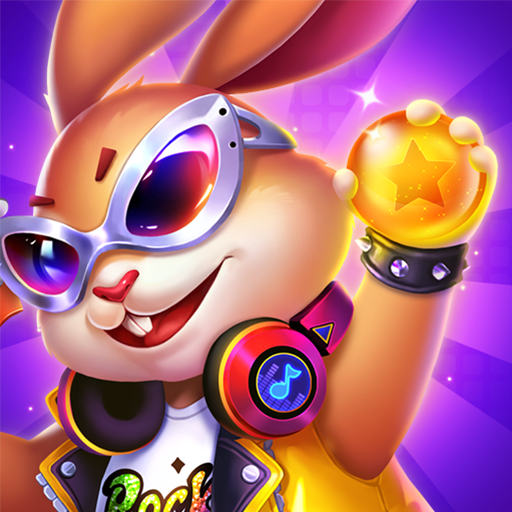
The mascot design mixes retro stage fashion, oversized shades, and a warm highlight palette that instantly signals a disco mood.
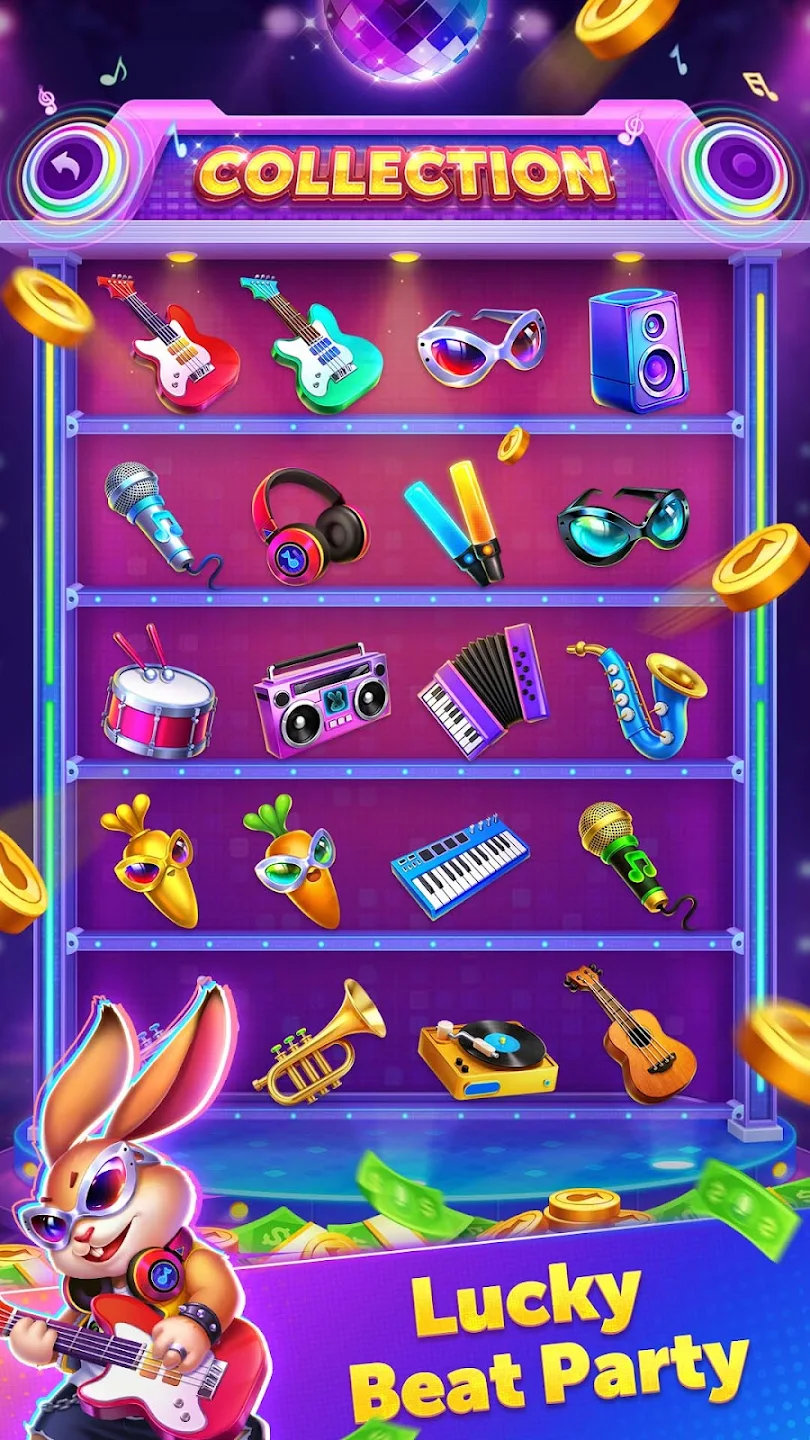
Instruments, speakers, and accessories make the world feel built around sound and performance instead of generic menus.

High-saturation staging helps dramatic sections stand out and gives the game a celebratory, concert-like rhythm presence.
Bright pink, blue, and violet highlights give each sequence a club-like glow. These tones create contrast that makes note lanes and timing moments easier to notice.
Color transitions often rise and fall with musical intensity. As sections build, the palette can feel more active, helping players sense when a stronger pattern is approaching.
Pulse effects, lane flickers, and layered motion can echo the beat. This makes the screen feel synchronized instead of random, which supports pattern recognition.
Strong visual feedback can be especially useful during drops and transitions. When the music swells, the screen often responds with extra brightness or movement, giving you a second way to sense how the level is changing.
The best visual design supports concentration rather than competing with it. Disco Bunny's style feels immersive because it keeps the atmosphere energetic while still giving enough contrast to track timing and input flow.
Players often benefit from learning which effects help them most. Some rely on flash timing, while others read movement and spacing first.
In a mobile rhythm strategies context, visuals can reduce uncertainty when paired with audio. They help translate the song into something tactile and visible, turning each level into a coordinated light-and-sound pattern rather than a loose stream of notes.