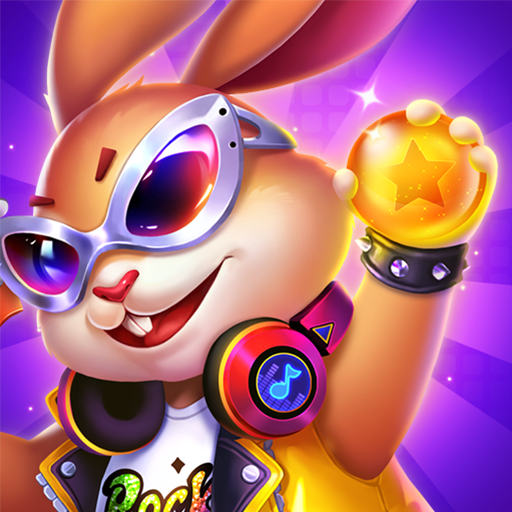
Disco mascot energy
The rabbit character sets the tone with bold color, music gear, and playful neon attitude.
Rhythm Game Guide
Disco Bunny
A stylish guide to timing, drops, visual cues, and mobile rhythm strategies.
This guide hub is built for players who want a cleaner read on timing, tapping, drops, progression, and the layered visual feedback that shapes each run. The focus stays on understanding how the game feels and how that feel can be read more accurately.
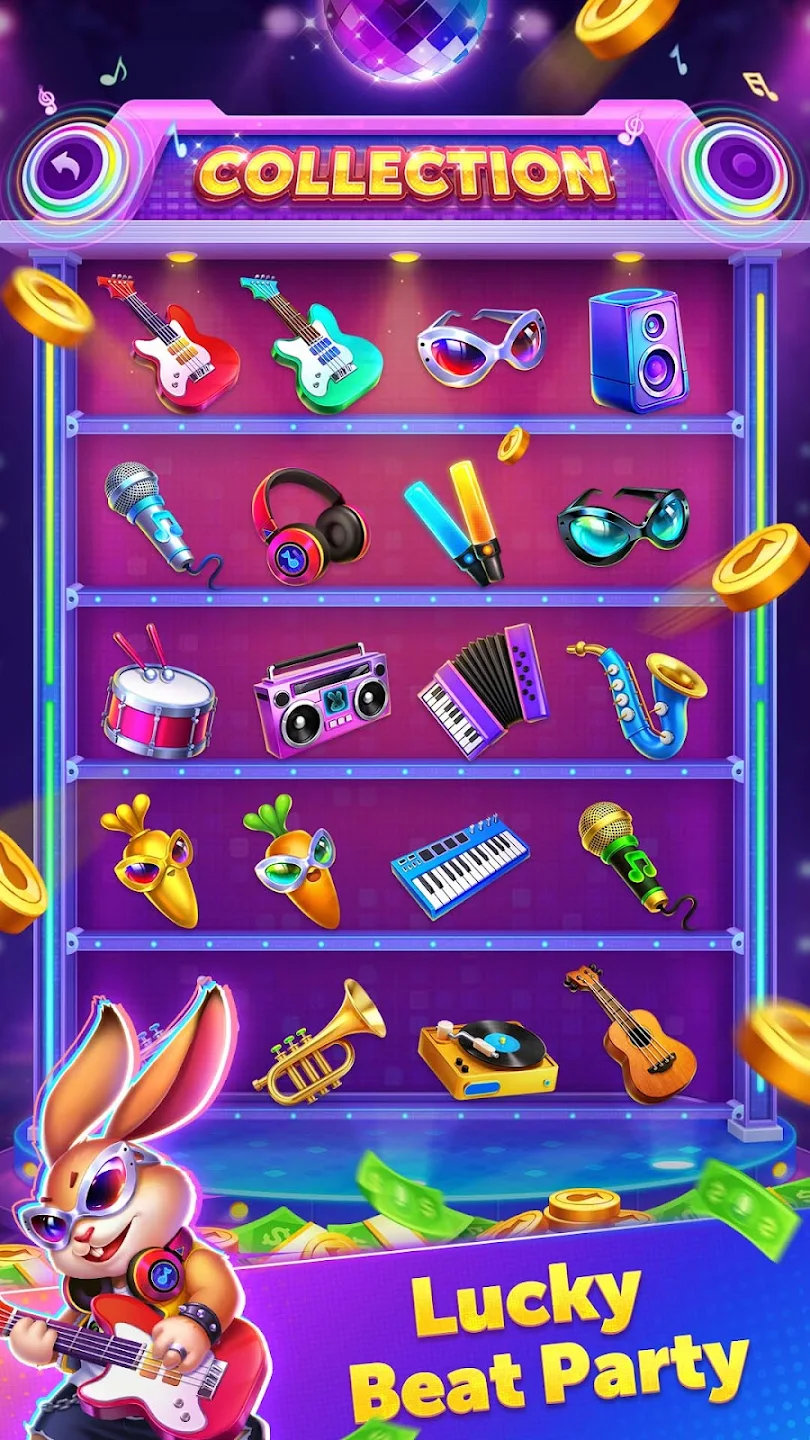
The instrument collection reinforces that the game is framed around beat culture, stage props, and playful rhythm iconography.
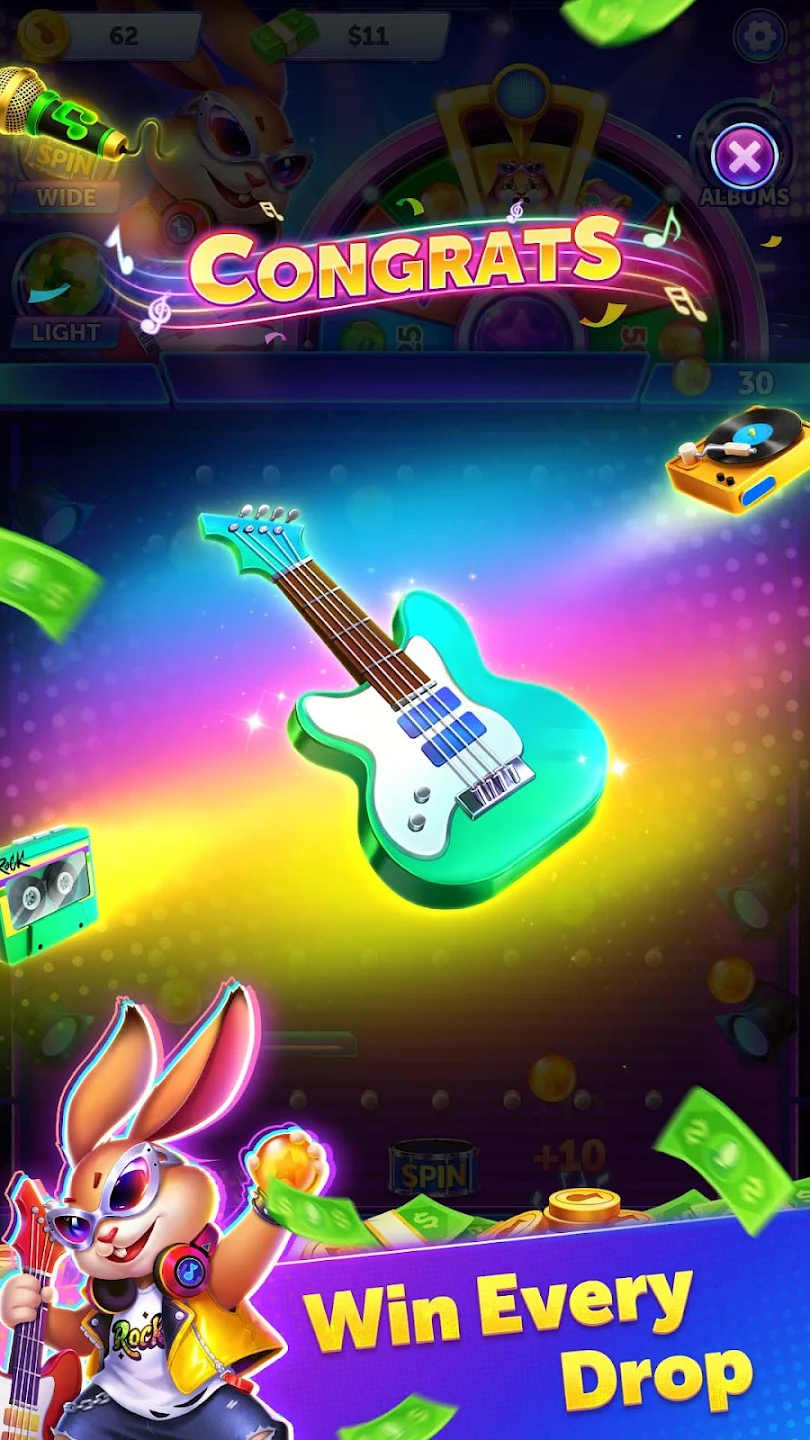
Spotlit objects and saturated gradients make each gameplay moment feel like part of a lively disco performance.
Learn how beat spacing, note arrival, and hand timing interact. This section explains how a rhythm game guide can help make patterns easier to predict.
Disco Bunny uses drop-based pacing to shift intensity. Reading the build-up before a drop helps you prepare for faster note clusters and stronger visual effects.
Accuracy grows through steady rhythm consistency, not frantic tapping. The tips and mistakes pages break down how to tighten your input window.
The game communicates a lot through brightness, lane motion, color shifts, and pulse effects. When you start reading those signals alongside the music, note timing feels less sudden and more deliberate.
Players often improve fastest when they treat visual cues as confirmation of the beat, not a replacement for listening. The best rhythm reading comes from pairing both channels together.
Level progression gradually adds denser timing checks, more rapid transitions, and stronger sync demands. Early stages are useful for building clean habits before higher-intensity sections introduce more layered sequences.
Guitars, microphones, speakers, glasses, and stage lighting all help the game feel like a compact neon music world.
With the themed artwork in place, the site now reads less like a generic strategy page and more like a visual companion to Disco Bunny's identity. The character design, performance props, and glowing stage palette now support the guide text directly.
Begin with the core gameplay and rhythm pages to understand the timing window, note flow, and drop transitions.
Move to the tips and mistakes pages for small adjustments that reduce rushed taps, overcorrection, and inconsistent rhythm.
The visuals page explains how neon lights, dynamic colors, and pulse effects shape the immersive feel and improve feedback.
The FAQ and About pages explain what this site covers and how it approaches mobile rhythm strategies.
Official page on Google Play: https://play.google.com/store/apps/details?id=com.discobunney.neonbeat